

Office Interior Designers for High-Performance Workspaces
Phi Designs offers premium office interior design and build services for organisations seeking brand-led, high-performance workspaces.
From workplace planning and design to end-to-end execution, we create offices that are functional, well-designed, and shaped around your brand and the way your teams work.
Our Services
2 Convenient Ways to Develop your Office with our Office Interior Designers

%20(1)-p-800%201.webp)
Fast-Track Your Office Project: Design and Build in 75 Days
Experience an accelerated office transformation with our comprehensive design and build services, from initial concept and meticulous planning to seamless execution and impeccable finish, all within a 75-day timeline.


.svg)

.svg)


Crafting Your Vision: Custom Office Design Completed in Just 15 Days
Experience our exclusive office design-only service, delivering meticulously tailored designs in just 15 days. We provide all essential assets for your precise execution, ensuring every aspect reflects your vision and exceeds expectations
Designs in 15 daysour clients

.webp)

.webp)


.webp)
2M+
Sq. Ft. Of Office Space Designed
10+
Cities accessing our services worldwide
150+
Office Spaces Designed and Built
100%
Client Retention for Subsequent Office Spaces
.avif)

Testimonials
Echoes of Satisfaction from Our Valued Clients
Enquire Now



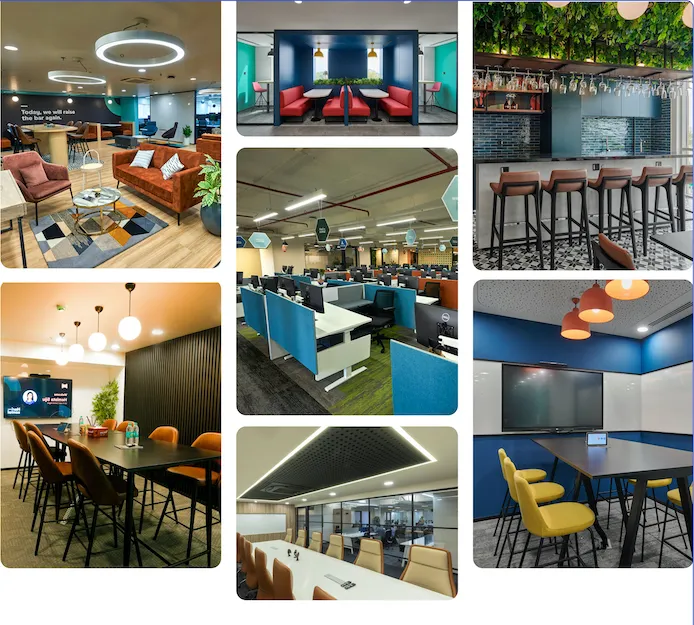


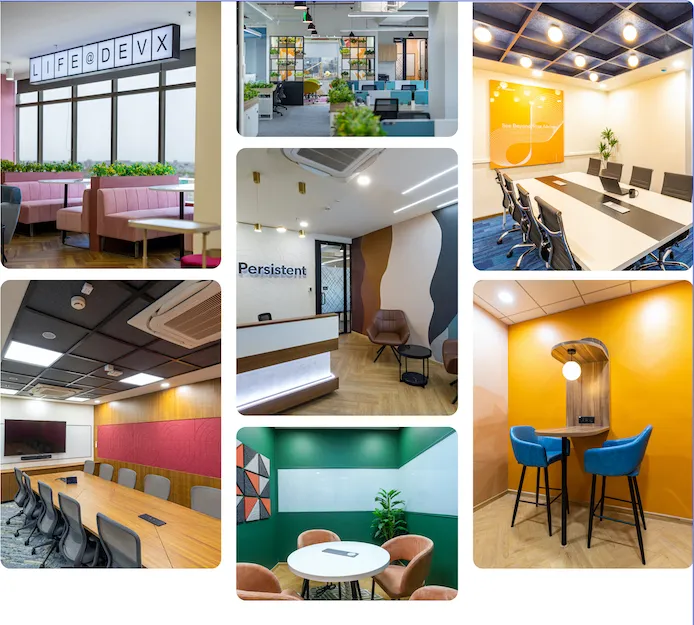


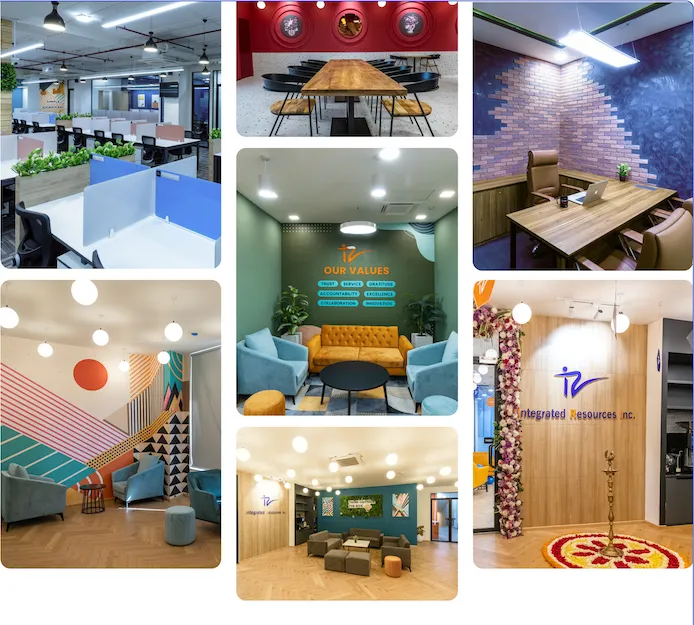

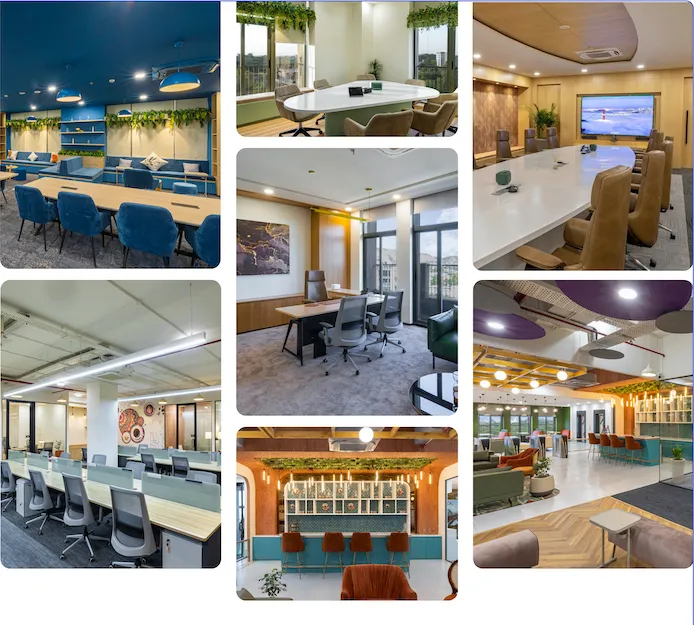
Gallery
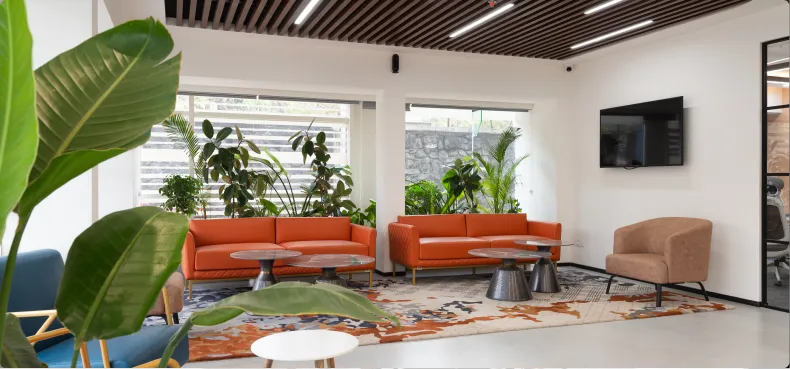
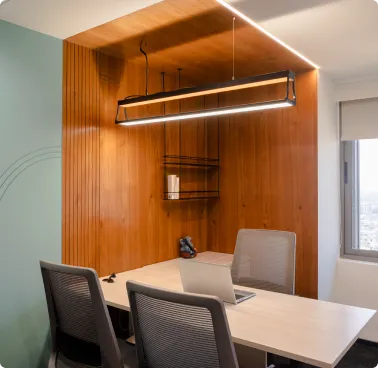
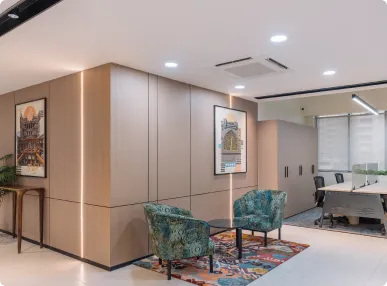
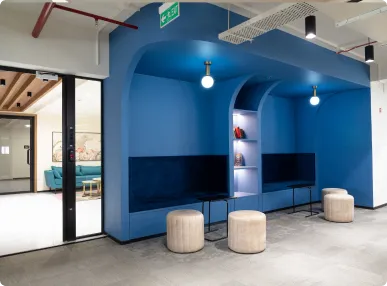
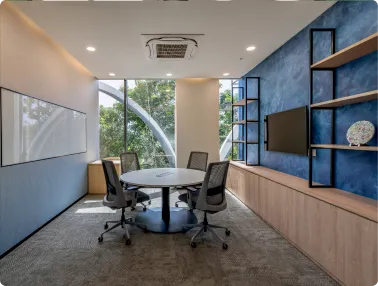
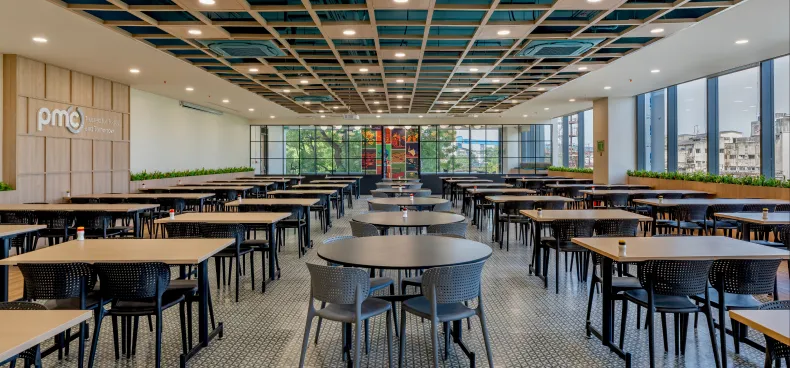
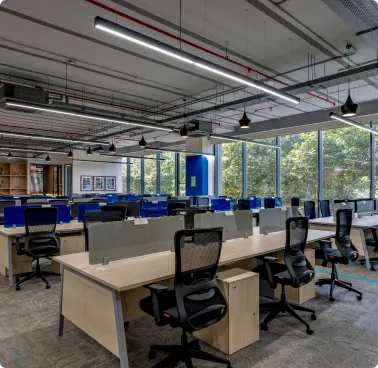
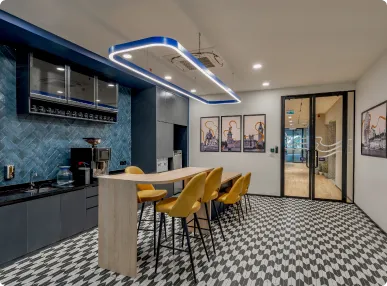
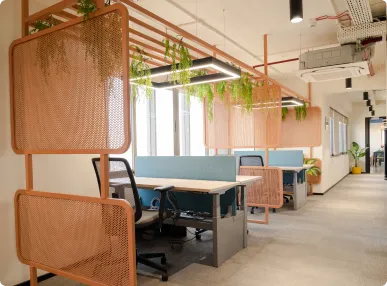
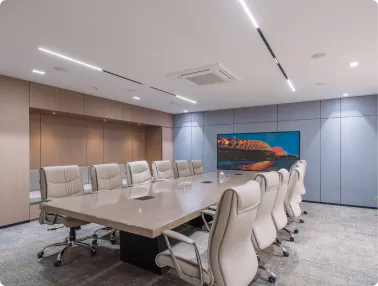
Some Captivating Office Interior Designs
Why Choose Us
Advantages of Choosing Phi Designs' Office Interior Design Solutions

Transparent Project Management
Our efficient processes ensure seamless communication and provide real-time access to progress through interactive dashboards.

Adaptive Technical Expertise
Our design capabilities ensure tailored office solutions across industries, technologies, and climates, delivering excellence.

Diverse Design Options
Our versatile design options span color palettes, themes, and styles, ensuring your office space reflects your unique preferences.

Local Design Elements
We integrate local materials, and cultural elements, ensuring alignment with your brand identity and enhancing local relevance.

Efficient Post-Delivery SOPs
Our SOPs, maintenance checklists, product lists, and staffing guidance ensure seamless office management post-delivery.

Celebratory Office Inauguration
We celebrate the completion of your office design and build with immense joy, pride, and warmth, marking a milestone in our shared journey.
FAQs about Office Interior Designing
What does a full-scope office interior project include, from design to handover?
An office interior design service covers two distinct phases that are often treated as separate contracts but work best when unified. The design phase covers space planning, brand-led concept development, services planning for HVAC, fire, electrical and networking, 3D visualisations aligned with construction intent, GFC (Good for Construction) drawings, and a detailed BOQ. The execution phase covers civil works, carpentry and joinery, gypsum and glass partitions, flooring, false ceilings, electrical and lighting, IT and networking infrastructure, fire safety systems, HVAC installation, furniture and workstations, and branding and signage. After physical completion, the project moves into snag closure, documentation handover, and facility onboarding support so the internal team can take full ownership of the space.
What does a 75-day office delivery timeline actually cover?
The 75-day timeline runs from drawing freeze to final handover and covers the complete fit-out scope including civil works, all MEP systems, partitions, ceilings, flooring, furniture, and branding. It is structured around parallel workstreams rather than a sequential one-after-another approach, which is what allows the duration to be compressed without compromising quality. The starting condition is that drawings and approvals are frozen before mobilisation begins. Scope additions or design changes after mobilisation are tracked separately and their timeline impact is communicated formally before any additional work proceeds.
Can office interior projects be managed across multiple cities or locations simultaneously?
Multi-location projects require consistent design documentation, standardised procurement, and coordinated project management across sites running in parallel. Phi Designs has delivered office interiors across more than 25 cities and has the process infrastructure to manage simultaneous projects without each location being treated as an independent engagement. Organisations with phased rollouts across Bangalore, Mumbai, Hyderabad, Ahmedabad, Navi Mumbai, Thane, Kolkata, Jaipur, Vadodara, and other cities can consolidate delivery under a single point of accountability rather than managing separate local vendors in each market.
How is IT infrastructure and network cabling planned within an office interior project?
IT and networking infrastructure is one of the most technically demanding components of an office interior fit-out and one of the most frequently under-planned. Cable routing, server room placement, access point positioning, structured cabling pathways, and containment systems all have to be coordinated with the ceiling design, partition layout, and flooring system before construction begins. For organisations with elevated data security requirements, including cybersecurity firms and large multinational enterprises, the infrastructure planning also accounts for physical access control, secure zones, and cabling segregation standards. Treating networking as an afterthought routinely leads to surface-mounted conduits, rework, and delays at the commissioning stage.
What is the difference between a design and build firm, a turnkey contractor, and a regular interior designer?
Whether the brief is handled by a commercial interior designer, a dedicated office designer, or a full corporate office interior design and build firm, the contractual structure determines accountability more than the label does. A general interior designer produces concepts and drawings but typically does not manage or contract the execution, leaving the client to coordinate between two separate parties and resolve disputes when the built result differs from the design intent. A turnkey contractor takes on execution but often operates with a standardised product set and limited design capability, which leads to offices that are functional but generic. A corporate interior design firm that holds accountability for both design and execution under a single contract eliminates this coordination gap entirely. For office interior projects specifically, where MEP services, compliance, acoustics, and brand expression all must be integrated with the physical design, this unified accountability is particularly consequential for the final outcome.
How is the BOQ structured to prevent cost escalations mid-project?
A BOQ that is not line-itemised, not tied to finalised drawings, or not inclusive of material specifications is the primary contractual weakness that enables mid-project cost disputes in office interior design projects. At Phi Designs, the BOQ is prepared after drawings are frozen and is organised by work category with material grades, quantities, and unit rates documented. Any variation from the approved scope, whether initiated by the client or required by site conditions, is raised as a formal variation order with cost and timeline impact stated before work proceeds. This removes the ambiguity that typically leads to disputes at the billing stage and gives finance and procurement stakeholders a reliable reference throughout the project.
How are HVAC, fire safety, electrical, and networking coordinated within the design process?
MEP (mechanical, electrical, and plumbing) services are the most common source of timeline slippage in office interior fit-out projects. When services are planned after the architectural design is completed, clashes between duct routes, cable trays, structural elements, and ceiling levels are discovered on site rather than on paper, requiring redesign and rework. At Phi Designs, services coordination happens within the design phase. HVAC routing, fire suppression layout, electrical load distribution, and networking containment are all planned in conjunction with the space layout, ceiling design, and partition system before a single construction drawing is issued. The result is a set of GFC drawings that the site team can build from without encountering coordination conflicts mid-execution.
How do you handle scope changes or design revisions once construction has begun?
Scope changes after mobilisation are a reality in most office interior projects, whether driven by a change in headcount planning, a revised brand requirement, or a site condition that was not anticipated at the design stage. Each change is documented as a formal variation order that captures what is being changed, the cost impact, and the effect on the timeline. No additional work begins until the variation is reviewed and confirmed in writing. This process protects both the project schedule and the budget baseline and gives the internal stakeholders who are accountable for those metrics a clear record of what changed and when the decision was made.
What typically goes wrong in office fit-out projects, and how should an organisation evaluate risk before signing a contract?
The most common failure points in office interior fit-out projects are delayed delivery, cost overruns beyond the original BOQ, a finished space that does not match the approved designs, poor MEP coordination leading to rework, and no accountability after handover. Organisations searching for the best office interior designers often evaluate on portfolio alone, when the more reliable signal is process documentation, variation order history, and what the handover package contains. These failures are not exceptional outcomes; they are the standard experience when design and execution are contracted separately without a unified accountability structure. The answers to those process questions reveal whether a firm is set up to deliver predictably or to manage expectations after the fact.
What is the process after the office is handed over?
Handover is not the conclusion of the engagement. Before the keys are handed over, a formal snag list is prepared documenting all outstanding finishing items, and closure is tracked until each item is resolved. Following snag closure, Phi Designs provides a complete documentation package including as-built drawings, material and finish specifications, equipment warranty documents, AMC references, and a record of all systems installed. Optional facility onboarding support is available to help the internal facilities team take ownership of systems, understand maintenance protocols, and establish a reference baseline for future modifications or expansions of the office interior.

© 2026 Phi Designs.
All rights reserved.


%201-1.svg)


%201.svg)


%201.svg)

%201.svg)


%201.svg)


%201.svg)
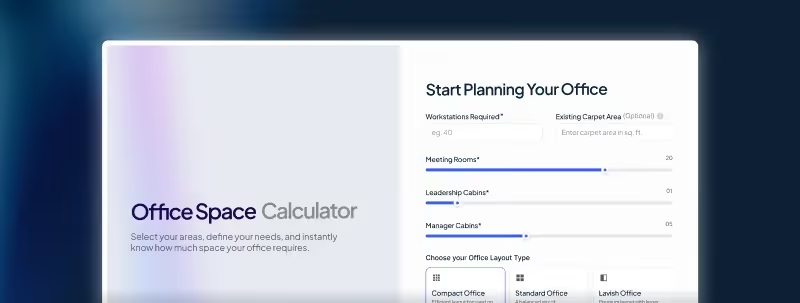
Control Space Costs
Use this structured workspace calculator to estimate ideal office size based on team strength, workspace ratios, collaboration areas, and growth projections. Built to help businesses plan efficiently before committing to leases or design decisions.
